A manuscript critique: what it gives an author
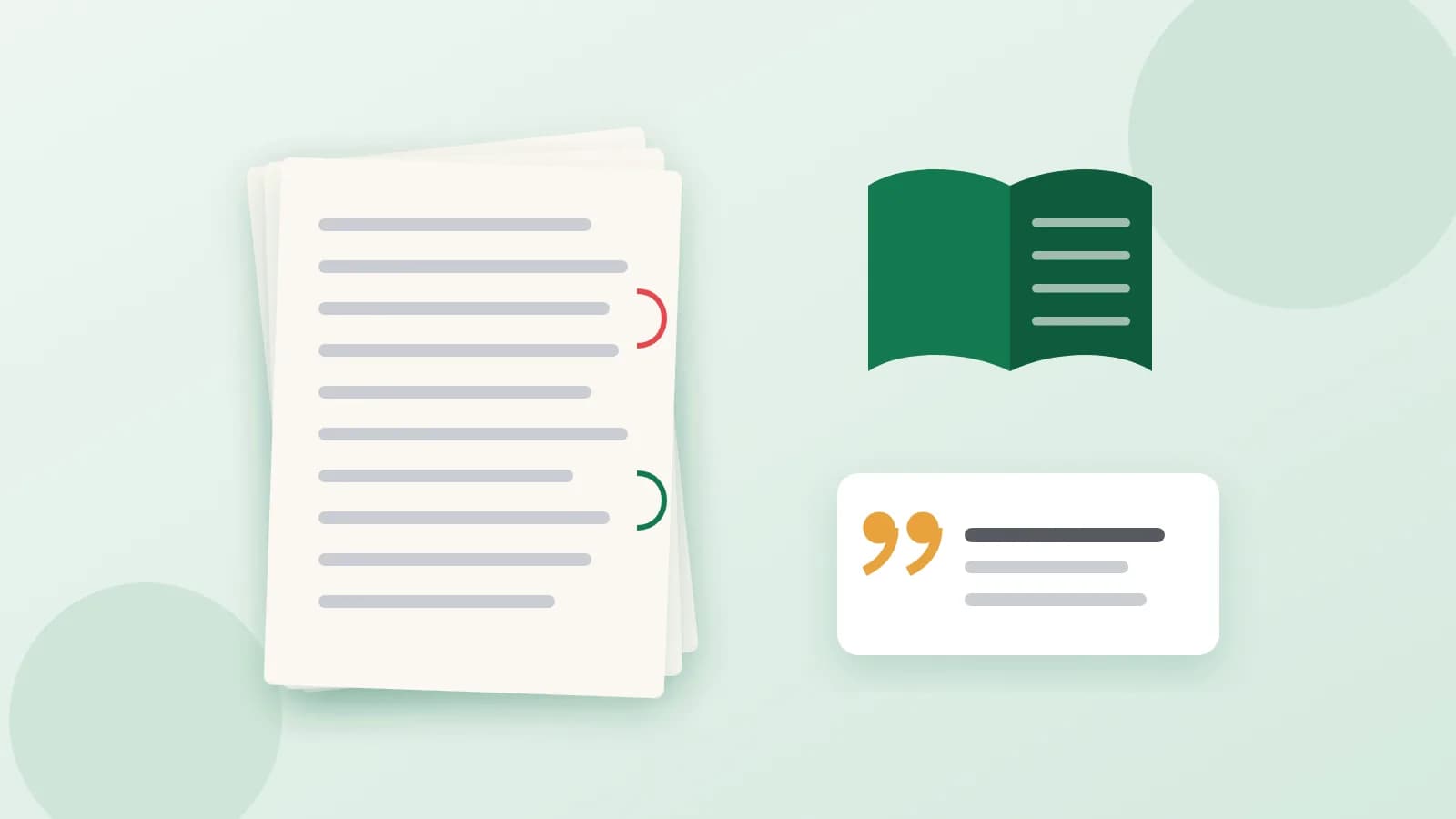
You have finished a short story or the first chapters of a novel, and you have read them so many times that you can no longer see them. Friends say it is good, which is kind but not very useful. A manuscript critique gives you what they cannot: an honest, structured view of what works, what holds the text back and what to do in the next draft.
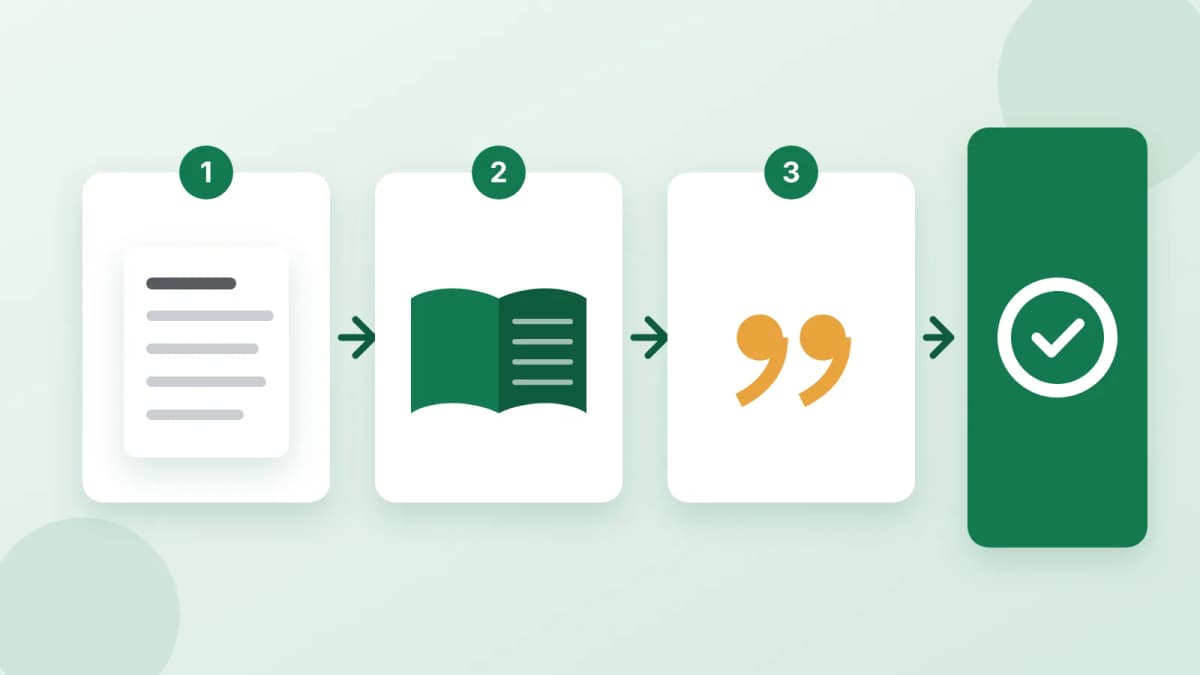
What a critique is, and what it is not
- A critique looks at the big picture: plot, pacing, characters, dialogue and style, with examples from your pages.
- Proofreading fixes typos, commas and grammar. It does not tell you whether the story works.
- Line edits improve sentences one by one. They make sense once the structure is right.
A critique does not rewrite your story. It shows what to change and why; the writing stays yours.
What it looks at
- Plot and structure: where the story sags in the middle or rushes at the end, and whether the opening makes people read on.
- Characters: clear motivation, a believable change, a villain who is more than a function.
- Dialogue: whether each person sounds different and whether talk moves the story forward.
- Style: repetition, clichés, long passages of explanation, the rhythm of sentences.
Every point is backed by a quote from your text, so you can see the problem, not just read about it.
The revision plan is the most useful part
General remarks are easy to agree with and hard to act on. A good critique ends with a step-by-step plan: what to fix first, what can wait and what to leave as it is. With a plan, the next draft starts on Monday morning instead of "some day".
How much text to send
- Up to 2,000 words: a short story or the opening of a novel. The opening is where most readers and agents decide, so it is a good place to start.
- Up to 5,000 words: a long story or several chapters.
- Up to 10,000 words: a deeper look, and the first pages can also get line edits.
If you send an excerpt from a longer book, add a short synopsis so the comments take the whole story into account.
How to prepare
- Name the genre and the reader: a cozy mystery for adults reads differently from fantasy for teenagers.
- Say what worries you: a slow start, a flat villain, too much description.
- Send a clean draft. Not perfect, but the version you would show a reader.
What to do with the feedback
Read the critique once, put it aside for a day, then read it again with your text open. Not every remark must be followed: you are the author. But if a comment points to a place you already had doubts about, that is where to start.
In short
A critique gives you an outside view of plot, characters, dialogue and style, examples from your own pages and a clear plan for the next draft. If you want one for your text, order a manuscript critique: you send the text, the genre and what you want to improve, and get a written critique with a revision plan as a Word file. Payment is released only after you approve the work.